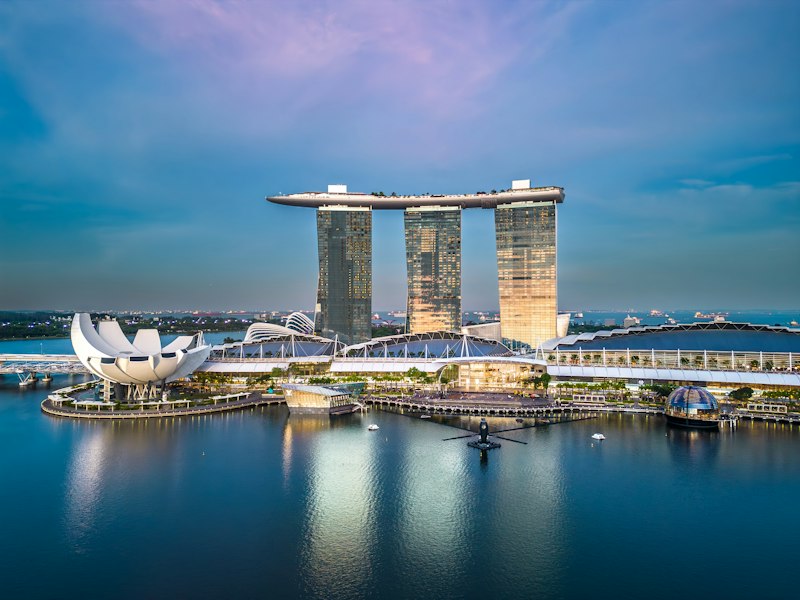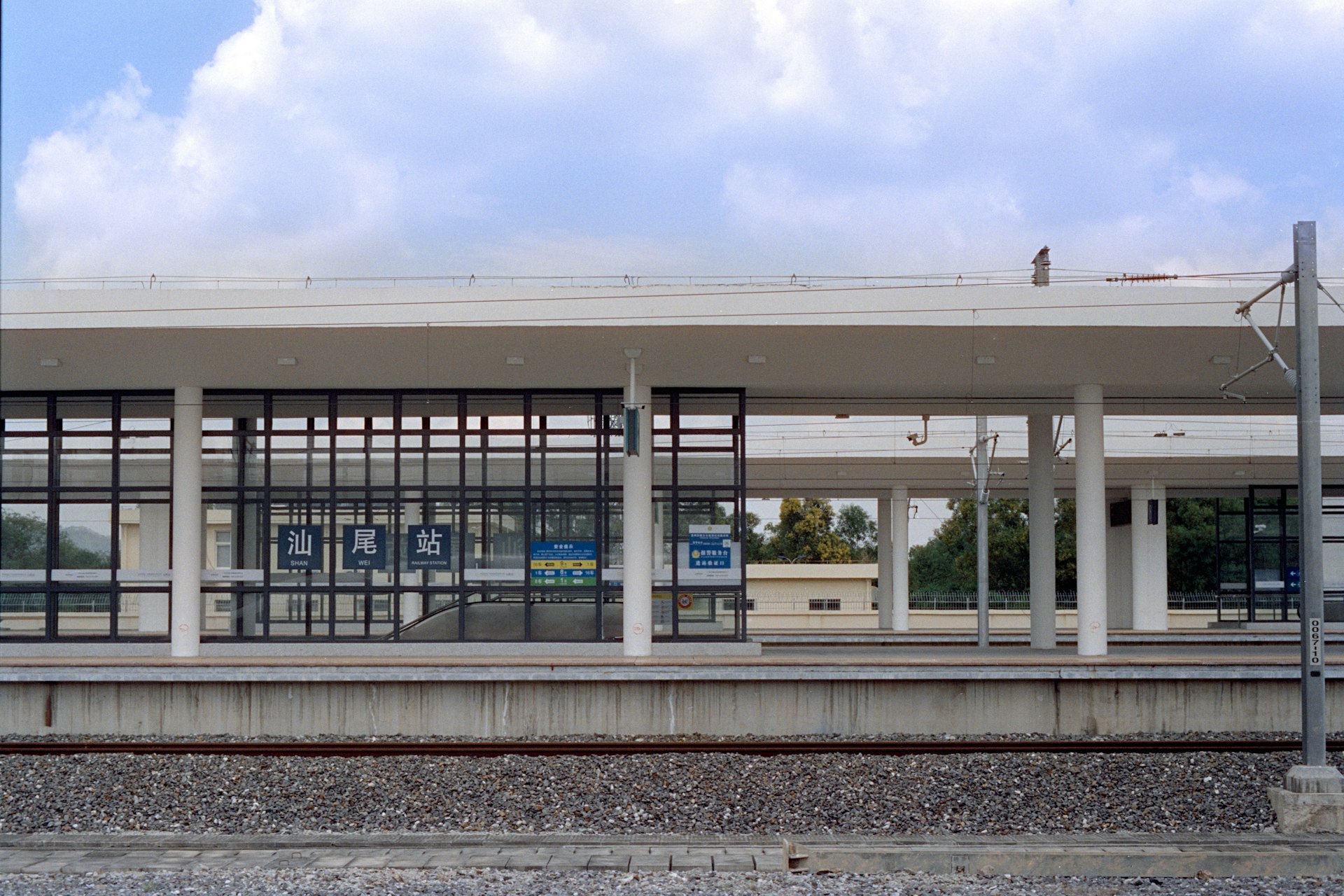
Somewhere between Woodlands North and Bukit Chagar, a five minute train ride is about to change who walks through your door in Johor Bahru. Systems testing on the RTS Link begins this September, and most JB businesses have not touched their marketing plan for it.
That gap is the opportunity. Infrastructure openings like this reward the businesses that prepare early and quietly cost the ones that wait for the ribbon cutting.
What is actually happening with the RTS Link
The RTS Link, short for Rapid Transit System, is a four kilometre cross border line connecting Woodlands North in Singapore to Bukit Chagar in Johor Bahru, with an end to end journey of about five minutes. Both countries' immigration checks happen at a single co-located clearance point, using QR code passport scanning through roughly 100 AI powered e-gates, each expected to process a traveller in about seven seconds.
Fares are expected to land in the S$5 to S$7 range, roughly RM15.50 to RM21.70, with final pricing to be confirmed later this year. Physical construction is largely complete, and testing across systems, customs, immigration and security agencies from both governments is running from around September through the rest of 2026. Operators are targeting passenger service by the end of 2026, though some recent reports point to a possible slip into early 2027, so treat the exact launch month as fluid until it is formally confirmed by both transport authorities.
Why this matters for your business now, not in December
Every major cross border infrastructure story in this region follows the same pattern. The businesses that wait for the opening day to think about marketing miss the window when it actually matters, which is the months before.
Search interest builds early. Google needs weeks to index and trust new content, not days. Word of mouth among Singaporean commuters and shoppers starts forming long before the first train runs. If someone in Tanjong Pagar is already searching for what to do near Bukit Chagar, and your business has no page, no profile, and no content answering that, a competitor fills that gap instead.
The underlying shift is simple. A causeway crossing that currently eats an hour in traffic during peak periods becomes a five minute ride. That is not a minor convenience upgrade. It is a fundamentally different relationship between two cities, and the businesses that understand this early will be the ones people already know when the trains start.
Who should be paying attention first
Property developers near the corridor
Developers in Bukit Chagar, Iskandar Puteri, and the wider JB corridor should expect renewed interest from Singaporean buyers once the crossing time drops from an hour of causeway traffic to a five minute ride. We have covered this pattern before in our piece on why Malaysian property buyers decide before the showroom. The RTS Link compresses that research window further. A Singaporean buyer forming an opinion about a JB project is doing it on their phone in Tanjong Pagar or Holland Village, not in your sales gallery.
F&B and retail near Bukit Chagar and the city centre
Southkey, City Square, and the shoplots closest to Bukit Chagar stand to gain the most footfall, and are also the most likely to be caught unprepared. Waiting until the trains run to tidy a Google Business Profile, add clear signage cues for first time visitors, or set up a proper booking channel is too late by the time the queues form. A WhatsApp flow that can actually take a reservation matters here, something we go into in our breakdown of WhatsApp as an underused sales channel in this region.
Wellness, lifestyle, and automotive services
Facials, massage studios, aesthetics clinics, and automotive workshops in JB already attract cross border clients from Singapore through word of mouth and price advantage. The RTS Link lowers the friction further. The brands that build trust content now, real reviews, real before and after context, real pricing transparency, are the ones that get found first when the convenience barrier drops.
What to actually do before the trains start running
Publish content that answers real search intent now. Pages that address questions like how to get from Woodlands to your neighbourhood, or what there is to do near Bukit Chagar, need to be live and indexed months ahead, not days ahead.
Fix your Google Business Profile. Opening hours, current photos, an accurate location pin, and a description written for someone who has never been to your area before. This is often the first thing a first time visitor sees.
Build a booking or enquiry flow that works over chat. Singaporean and Malaysian customers alike default to WhatsApp before they fill in a form.
Track footfall and actual visits, not just likes and shares. A wave of new cross border interest means nothing if you cannot tell whether it is converting into people at your counter. Vanity metrics have quietly misled a lot of F&B brands in this region already, a pattern we unpacked in our piece on why engagement does not fill tables.
The bigger picture
The exact month the RTS Link opens is still not locked. What is not in doubt is the direction. A frictionless five minute crossing between Johor Bahru and Singapore is coming, and it changes the customer base available to JB businesses in property, F&B, retail, wellness, and automotive services.
The smart move is not to build a campaign around a launch date that could still move. It is to build the foundations, content, profile, and booking flow, that pay off no matter which month the trains finally start running.
If your business is in Johor Bahru and you want help getting ready for the RTS Link wave, get in touch with ADspace.
Photo by Zhen Yao on Unsplash. RTS Link timelines, fares, and testing schedules are drawn from LTA Singapore, Malaysian transport ministry statements, and independent reporting as of August 2026, and remain subject to confirmation by both governments before the service opens.