By the time a property buyer in Iskandar Puteri visits a showroom, they have already messaged the developer on WhatsApp at least twice. A F&B founder in Bugis closes more catering bookings through chat than through her booking form. A retail brand in Mont Kiara handles RM30,000 single orders with a few voice notes and a payment link.
This is not a future trend. This is how Malaysia and Singapore already buy. And yet most SMEs we speak to still treat WhatsApp as the place where complaints land, not where revenue lives. That gap is the easiest growth lever many brands are leaving untouched in 2026.
Why WhatsApp owns the MY and SG market
In this region, WhatsApp is not just a messaging app. It is the default channel between businesses and customers. People here will type a five line query on WhatsApp before they open a website. They will ask for catalogues, prices, delivery slots, and warranty terms all in one thread. They expect a human reply within minutes, not a chatbot loop.
The behaviour cuts across every industry we work with. Property buyers near KSL or Mid Valley Southkey ask layout questions before they tour the unit. Wellness clients in Damansara prefer to confirm appointments through chat rather than through a form. Even Singapore B2B buyers in Tanjong Pagar treat WhatsApp as the fastest way to reach a vendor after seeing a LinkedIn post.
If your customers already live there, the question is not whether to be on WhatsApp. The question is whether your account is built to convert, or just built to receive.
What most brands get wrong
The most common mistake is treating WhatsApp like SMS. One number, one phone, one overwhelmed staff member typing replies between tasks. By the time someone responds, the lead has cooled or moved on to a competitor who replied first.
The second mistake is using it only for support. A brand will pour money into Meta ads, drive traffic to a landing page, and then let a fresh enquiry sit in WhatsApp for six hours because nobody has been assigned to it. The ad worked. The funnel collapsed at the last metre.
The third mistake is no structure. No saved replies, no labels, no tagging by lead stage, no follow up sequence after the first reply. Every conversation starts from zero and depends on whichever staff member picks up the phone.
Turn WhatsApp into a real sales channel
The fix is not complicated. It is a small system that pays for itself quickly.
Set up a Business profile properly
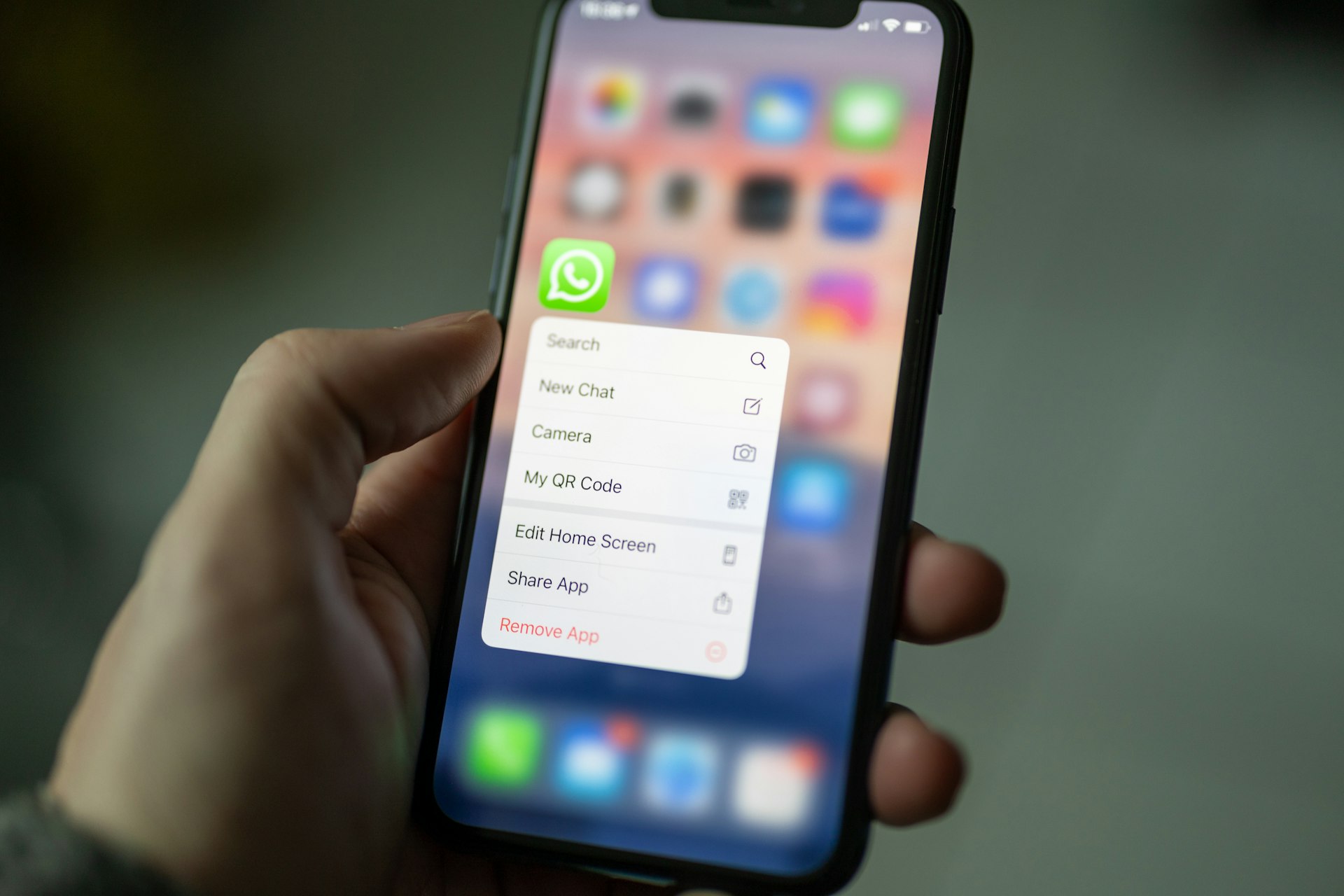
Use the WhatsApp Business app or API. Add a clean profile photo, business description, opening hours, and a website link. Treat this like a storefront, because it is.
Build a reply library
Write five to ten standard replies for the questions you receive every week. Pricing, delivery, location, product variants, appointment booking. Save them as quick replies so any staff member can answer in seconds without losing the brand tone.
Label every conversation
Use simple labels such as New Lead, Quoted, Follow Up, Closed, Lost. This turns your WhatsApp into a basic CRM, so you can see at a glance who needs attention this week.
Reply within 15 minutes during business hours
Speed wins more deals than discounts. A response inside 15 minutes can double conversion rates in property, wellness, retail, and F&B. If you cannot do that with one phone, move to the WhatsApp Business API with multiple agents.
Use catalogues and broadcast lists wisely
Set up a product catalogue inside WhatsApp so prospects can browse without leaving the chat. Use broadcast lists, not group chats, for promotion sends to existing customers only. Cold blasting will get your number flagged.
Add a soft follow up sequence
If a lead goes quiet for 48 hours, send one short, helpful follow up. Not a sales push. A genuine check in or a useful update. This single habit recovers a meaningful slice of leads that most brands write off.
Where this matters most
For property developers, WhatsApp is where the booking decision is half made before the site visit. For F&B operators, it is where catering, private dining, and weekend reservations live. For retail and home brands like Star Living, CraftStone, or Home Leader, it is where bigger ticket orders close after the showroom walkthrough. For wellness studios, it is the trust layer between an Instagram ad and a paid session. Across every category, the channel matters more than brands give it credit for.
The bigger picture
In Malaysia and Singapore, the brands that win the next two years are not the ones with the loudest content. They are the ones with the fastest, warmest, most human reply on the channel where decisions actually happen. WhatsApp is that channel. Build the system around it, and the rest of your marketing starts to pay back harder, because the last metre of the funnel finally works.
Ready to make WhatsApp your strongest sales channel?
If you would like help auditing your WhatsApp flow, building a reply system, or setting up the WhatsApp Business API for your team in Johor Bahru, Klang Valley, or Singapore, talk to us. We help brands turn quiet chat windows into real revenue.
Talk to ADspace to start the conversation.
Related reading: Why strong engagement can still leave tables empty, Why the customer's phone can outperform another ad, and ADspace digital marketing services.
Photo by Dimitri Karastelev on Unsplash.