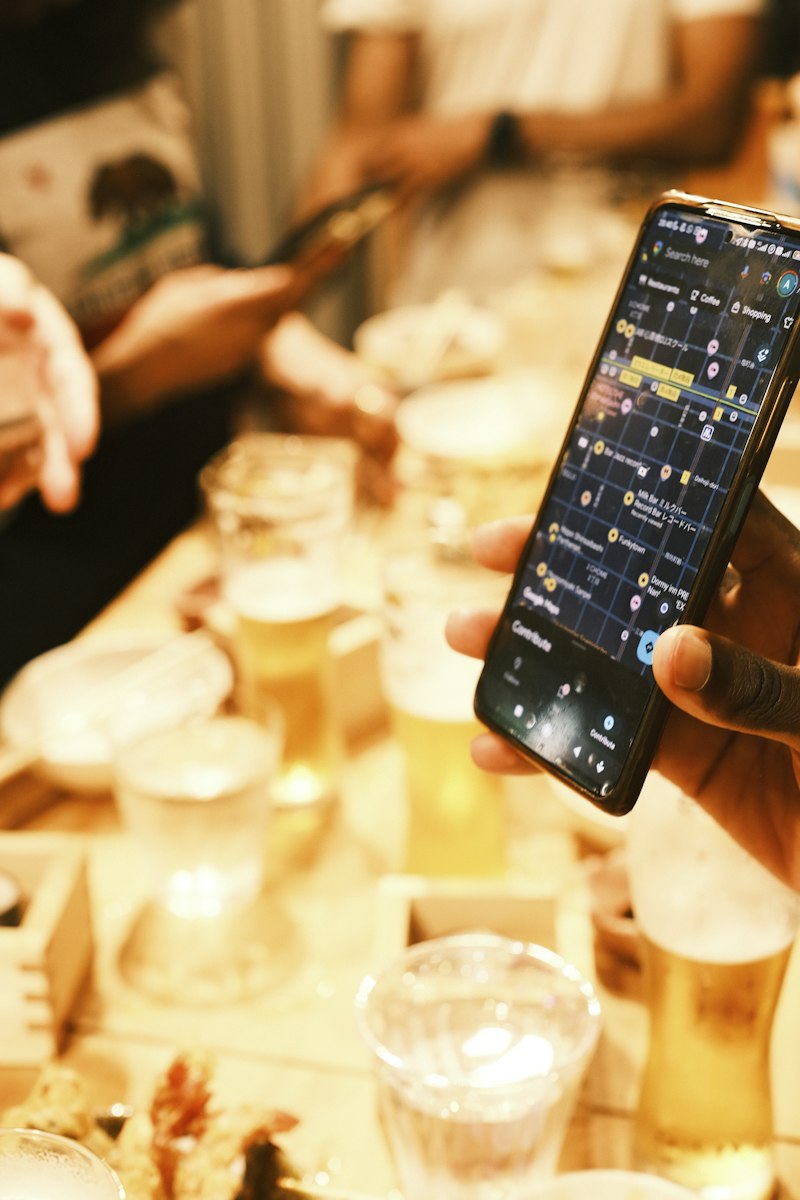
Walk through any cafe in Damansara, any wellness studio in Holland Village, or any new property launch in Mont Kiara, and you will notice a pattern. Before customers ever ask a question, they are already looking. Not on Google. Not on Instagram. On XiaoHongShu.
For Chinese-speaking buyers in Malaysia and Singapore, XiaoHongShu (also known as RED or Little Red Book) has quietly become the most trusted discovery and decision-making platform in 2026. And for brands that have not yet noticed, the cost of staying invisible there is climbing every month.
Why XiaoHongShu wins where Instagram slows down
Instagram still holds attention for aesthetic browsing and brand expression. But for actual purchase decisions, Chinese-speaking audiences in MY and SG have started treating XiaoHongShu differently. The platform feels like a recommendation engine, not a marketing channel.
Three reasons it works so well here. First, the content is written like reviews, not ads. Real users sharing real experiences in first person, which builds far more trust than any branded post. Second, search behaviour is natural. Users actively type queries like "best facial in JB" or "Marina Bay cafes worth visiting." They are looking for guidance, not entertainment. Third, the visual style favours authenticity over polish. Photos with imperfect lighting, voice-over notes, and personal context outperform glossy brand campaigns.
Who should be paying attention
Not every business needs to be on XiaoHongShu. But several categories are leaving real revenue on the table by not showing up. F&B brands targeting young Chinese-speaking diners. Beauty, skincare, and wellness studios. Boutique fashion and lifestyle retailers. Hospitality and travel experiences. Mid-to-high-end property targeting Chinese-speaking buyers.
If your business sells to anyone who reads Chinese for lifestyle decisions, XiaoHongShu is no longer optional.
What brands get wrong on XiaoHongShu
Most brands enter the platform with the same mistakes. They post in English. They write in a corporate brand voice. They flood the feed with promotional content. They paste over their Instagram strategy without rethinking the audience.
All of this gets ignored, or worse, penalised by the algorithm. XiaoHongShu rewards content that reads like a friend sharing a discovery, not a brand pushing a sale.
What actually works
The most effective XiaoHongShu approach in MY and SG follows a clear pattern.
Start with the lifestyle moment, not the product
A photo of an outfit worn to a brunch, not a product flatlay. A video of a dessert being eaten at a cafe, not a menu reel. Audiences scroll for moments they can imagine themselves in.
Write the first line like a friend texting
Hooks like "Tried this in Bugis yesterday and now I cannot stop thinking about it" outperform "New launch alert." The first sentence decides whether the rest gets read.
Use real photos, even slightly imperfect ones
Audiences sense over-edited content immediately and disengage. The platform rewards human-feeling visuals over agency-produced perfection.
Include practical detail
Location, price range, what to order, what to skip. Information helps build trust and increases saves, which is one of the strongest signals on the platform.
Engage with comments early
The first 50 comments often decide whether the post becomes a search-friendly note that lives for months. Brands that ignore comments lose long-tail discoverability.
The bigger picture
XiaoHongShu in 2026 is not a content platform. It is a soft-selling discovery network where buying decisions are made before anyone even visits your website. Brands that treat it like a mini Instagram will continue to underperform. Brands that learn its native rhythm will quietly own a category their competitors cannot break into.
The window to enter early is closing. Every month that passes, the platform gets more competitive and more cluttered with international brands now investing seriously in the MY and SG market.
Want help building your XiaoHongShu presence? ADspace works with brands across Malaysia and Singapore to localise content, train teams, and unlock platforms that traditional marketing playbooks miss. Talk to our team.
Photo via Unsplash
Related reading: Chinese copywriting mistakes MY and SG brands should avoid, Bilingual marketing in Malaysia and Singapore, and ADspace social media management.